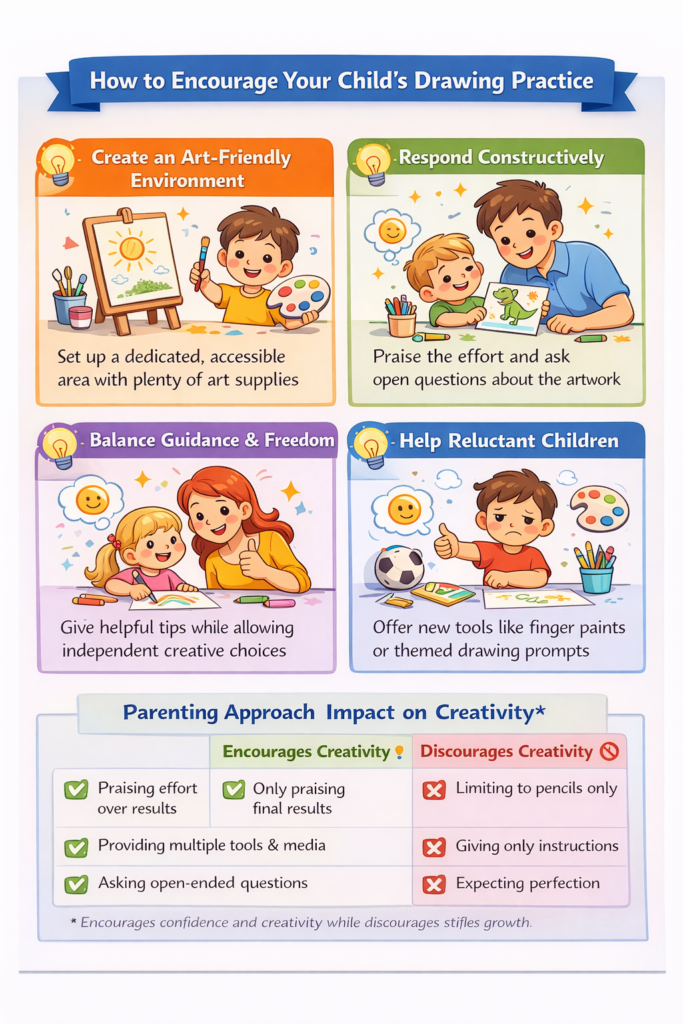
Encouraging your child to engage in creative activities can have a profound impact on their cognitive and creative development. Drawing, in particular, plays a significant role in enhancing their learning abilities and fostering creative thinking. By understanding the importance of this simple activity, you can support your child’s overall growth.
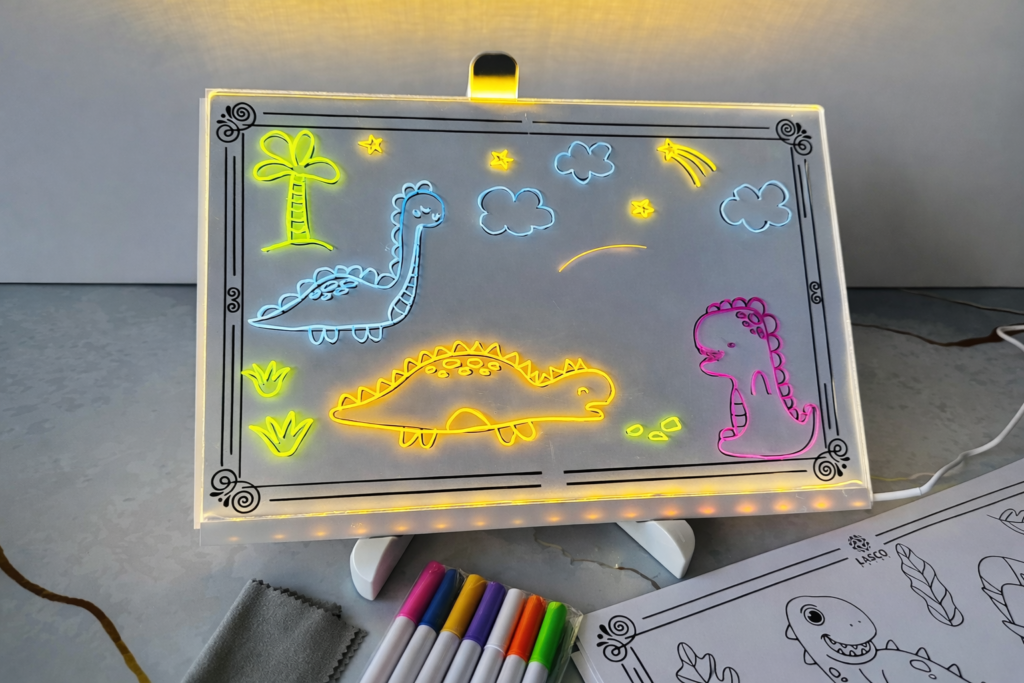
As a parent, you want to provide your child with the best possible start in life. Engaging in drawing activities can be a fun and effective way to promote their cognitive development and creativity. By incorporating drawing into their daily routine, you can help your child develop essential skills that will benefit them throughout their lives.
Key Takeaways
- Drawing enhances cognitive development in children.
- Creative activities foster creative thinking.
- Engaging in drawing can improve learning abilities.
- Drawing is a fun and effective way to promote overall growth.
- Encouraging drawing activities can benefit children throughout their lives.
The Science Behind Drawing and Brain Development
Drawing is not just a creative activity; it’s a powerful tool that influences brain development in young children. By engaging in drawing, children stimulate various cognitive processes that are crucial for their overall development.
Neural Connections Formed During Artistic Activities
When children draw, they form new neural connections in their brain. This process enhances their cognitive abilities, including memory, attention, and problem-solving skills. Artistic activities like drawing stimulate the brain’s neural pathways, promoting cognitive development.
How Drawing Activates Multiple Brain Regions Simultaneously
Drawing activates multiple brain regions simultaneously, including those responsible for creativity, motor skills, and visual processing. This multi-regional activation contributes to a child’s overall cognitive growth and development.
Research Evidence on Art and Cognitive Growth
Studies have shown a positive correlation between engaging in artistic activities and enhanced cognitive development in children. The table below summarizes some key findings:
| Study | Findings |
|---|---|
| Research on Art and Cognitive Development | Children who engaged in regular drawing activities showed improved cognitive skills. |
| Neural Connections and Art | Artistic activities were found to enhance neural connections, contributing to better cognitive function. |
By understanding the science behind drawing and its impact on brain development, parents and educators can better appreciate the value of incorporating drawing into early childhood education.
Drawing and Child Development: A Powerful Connection
The act of drawing is intricately linked with child development, influencing cognitive, emotional, and physical growth. As children engage in drawing activities, they are developing various skills that are essential for their overall development.
Developmental Milestones Enhanced Through Drawing
Drawing helps children achieve several developmental milestones. It enhances their fine motor skills, hand-eye coordination, and creativity. Moreover, drawing activities encourage children to express their emotions and thoughts, contributing to their emotional intelligence.
Age-Appropriate Drawing Skills and Expectations
| Age Group | Drawing Skills |
|---|---|
| Toddlers (1–3 years) | Scribbles, basic shapes |
| Preschoolers (3–5 years) | Simple figures, basic colors |
| School-age (6–12 years) | Detailed drawings, complex compositions |
The Evolution of Children's Drawing Abilities
As children progress through different age groups, their drawing abilities become more sophisticated. This evolution is not just about technical skill but also about their ability to convey stories and emotions through their art.
By understanding the connection between drawing and child development, parents and educators can better support children in their creative and developmental journeys.
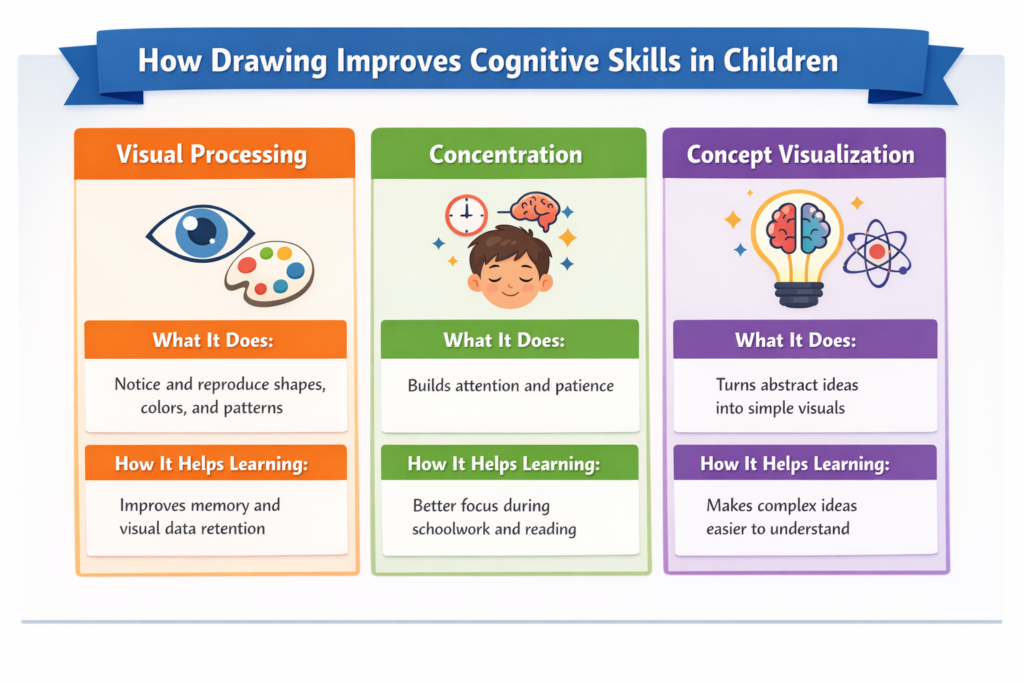
Cognitive Benefit: Description and Impact on Learning
| Cognitive Benefit | Description | Impact on Learning |
|---|---|---|
| Visual Processing | Enhances ability to observe and replicate visual information | Improves memory and understanding of visual data |
| Concentration | Fosters focus and patience | Leads to better attention span in academic tasks |
| Concept Visualization | Makes abstract concepts tangible | Enhances comprehension and retention of complex ideas |
Visual Processing and Memory Enhancement
Drawing enhances visual processing skills by encouraging children to observe and replicate shapes, colors, and patterns. This activity strengthens their ability to process visual information and improves memory retention. When children draw, they are not just creating art; they are also exercising their brain’s ability to recall and reproduce what they have seen.
Concentration and Attention Span Improvements
The act of drawing requires focus and concentration, helping children develop their attention span. As they engage in drawing, children learn to dedicate time to a task, fostering patience and persistence. This improvement in concentration can translate to other areas of their academic life, helping them stay focused during lessons.
Drawing as a Tool for Concept Visualization
Drawing serves as an effective means for children to visualize complex concepts, making them more tangible and understandable. By putting abstract ideas into visual form, children can better grasp and internalize these concepts.
From Abstract to Concrete Understanding
When children draw, they transform abstract notions into concrete representations. This process aids in their comprehension of complex ideas by providing a visual context. For instance, drawing diagrams of scientific processes or historical events can help children understand and remember these concepts more effectively.
Unleashing Creativity Through Pencil and Paper
Drawing is a powerful tool for unlocking your child’s creative potential. By engaging in drawing activities, children can explore their imagination, develop their fine motor skills, and enhance their cognitive abilities.
From Scribbles to Storytelling: The Creative Journey
The journey of creativity through drawing begins with simple scribbles and evolves into complex storytelling. As children progress, their drawings become more sophisticated, reflecting their growing understanding of the world and their ability to express their thoughts and emotions.
“Art is the only way to run away without leaving home.” This quote by Twyla Tharp highlights the liberating power of art, which is particularly relevant when discussing children’s creative development.
How Drawing Breaks Down Creative Barriers
Drawing helps children break down creative barriers by encouraging them to experiment and explore different forms of expression. As they become more confident in their abilities, they’re more likely to take risks and push the boundaries of their creativity.
Developing Divergent Thinking Skills
Drawing activities for kids are instrumental in developing divergent thinking skills, which are crucial for creativity and problem-solving. By encouraging children to draw and explore different ideas, parents can help their children become more innovative thinkers.
Key Benefits of Drawing for Creativity:
- Enhances imagination and creative expression
- Fosters divergent thinking and problem-solving skills
- Builds confidence and self-esteem through artistic achievements
Drawing as a Problem-Solving Tool
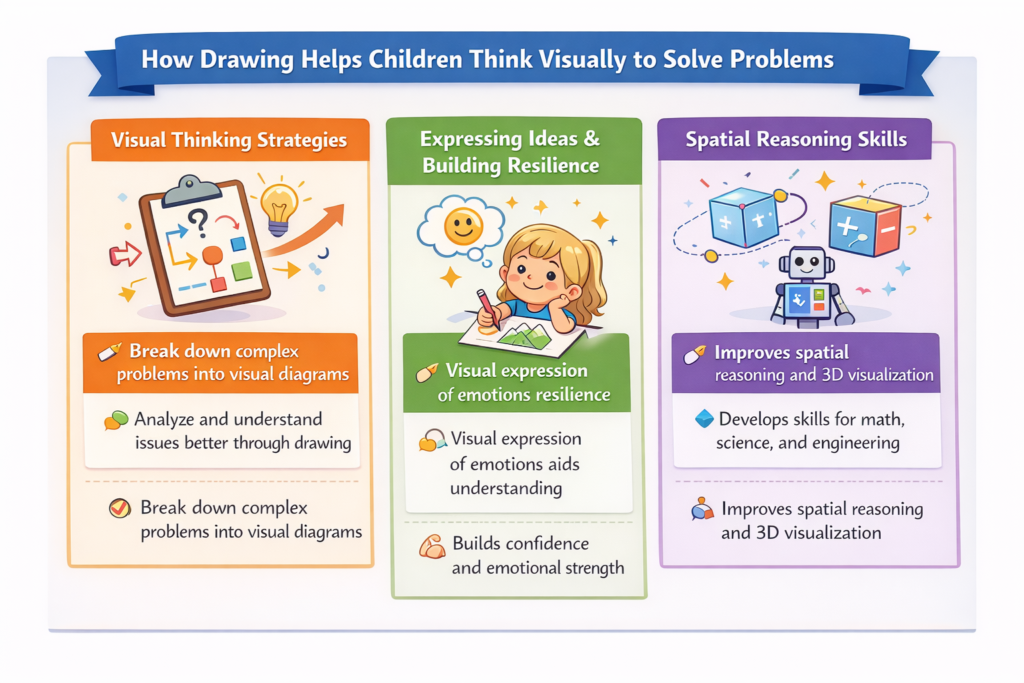
Drawing is not just a creative activity, but a powerful tool that can help children develop problem-solving skills. By encouraging children to draw, you’re providing them with a unique means to visualize and tackle complex problems.
Drawing as a Problem-Solving Tool
Emotional Development and Self-Expression Through Art
The act of drawing is not just a creative outlet but a vital component of children’s emotional development. Through various artistic activities, children can express and process their emotions, build confidence, and develop effective communication skills.
Processing Emotions Through Visual Representation
Drawing allows children to visually represent their emotions, which can be particularly helpful when they struggle to verbalize their feelings. By putting their emotions into art, children can better understand and manage their emotional states. This process can lead to improved emotional regulation and resilience.
Processing Emotions Through Visual Representation
| Aspect | Benefit |
|---|---|
| Confidence & Self-Esteem | Drawing accomplishments foster pride and a sense of achievement. |
| Communication Tool | Helps children express complex emotions when words fall short. |
| Emotional Regulation | Acts as a healthy outlet to process feelings and reduce anxiety. |
| Art Therapy | Used by professionals to support healing from trauma and emotional challenges. |
Fine Motor Skills and Physical Development
As you watch your child draw, you’re not just seeing creativity; you’re witnessing the development of crucial fine motor skills. Drawing plays a significant role in enhancing your child’s physical abilities, preparing them for various tasks, including writing.
Hand-Eye Coordination Benefits
Drawing helps improve hand-eye coordination by requiring your child to synchronize their hand movements with what they see. This synchronization enhances their ability to perform tasks that require precision and control. Regular drawing practice can significantly improve hand-eye coordination, benefiting your child’s overall dexterity.
Grip Strength and Precision Development
The act of holding a pencil or crayon and maneuvering it on paper strengthens your child’s grip. As they continue to draw, they develop the precision needed for intricate movements. This precision is crucial for future academic success, especially in writing and other fine motor tasks.
Preparing for Writing Through Drawing
Drawing is a precursor to writing. By engaging in drawing activities, your child develops the necessary fine motor skills to eventually hold a pen and write. Drawing lays the foundation for writing by enhancing hand-eye coordination and grip strength.
- Enhanced hand-eye coordination
- Improved grip strength
- Development of precision in movements
- Preparation for writing skills
Drawing Activities by Age: Unlock Your Child’s Full Potential
| Age Group | Activity Type | Development Focus |
|---|---|---|
| Toddlers (1–3) | Finger painting, textured paper | Sensory development, motor skills |
| Preschoolers (3–5) | Tracing shapes, basic coloring | Hand-eye coordination, creativity |
| School Age (6–12) | Scientific drawing, storyboarding | Problem-solving, spatial reasoning |
Drawing Activities by Age: Unlock Your Child’s Full Potential