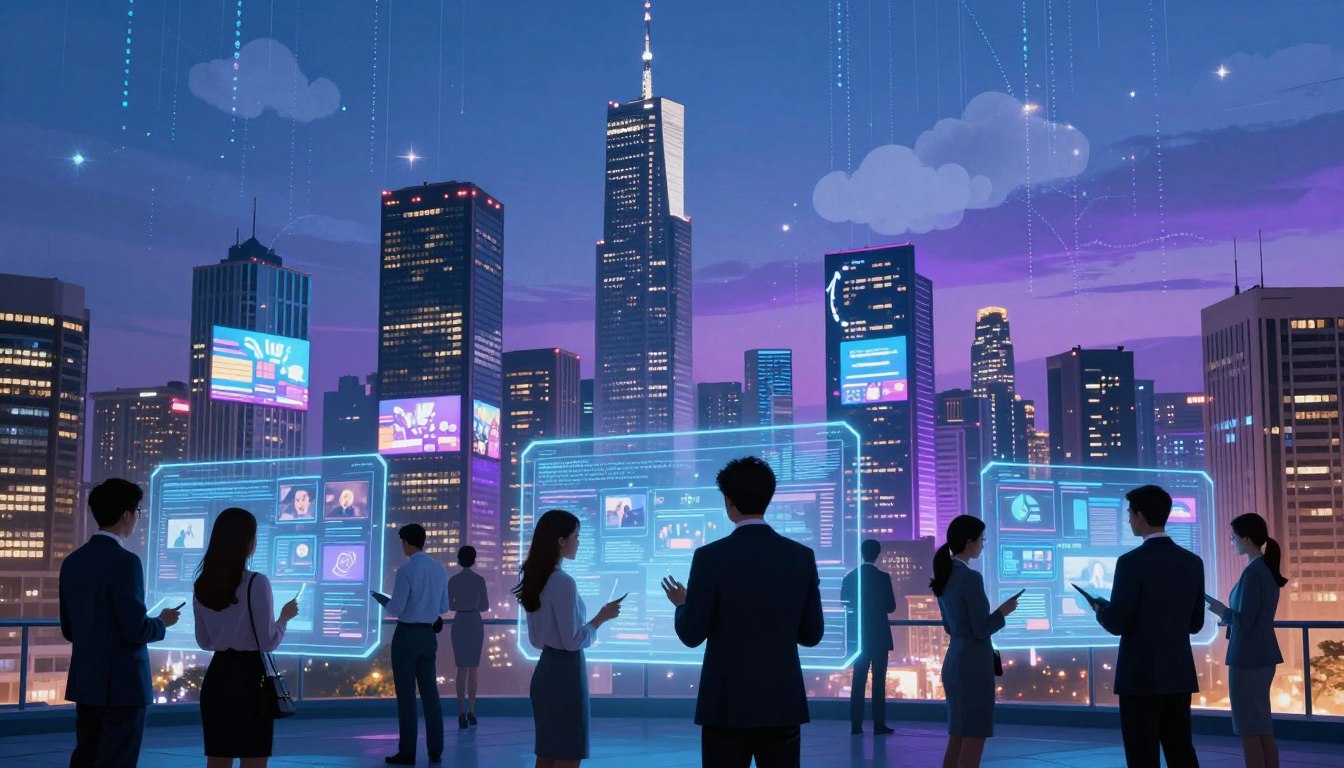
The way we learn is undergoing a significant transformation, thanks to the rise of digital media consumption. With the proliferation of online resources, students can now access a vast array of educational content from anywhere in the world.

Internet-based media is revolutionizing the education sector by providing interactive and engaging learning experiences. This shift is not only enhancing the learning process but also making it more accessible and convenient.
As we explore the impact of internet-based media on everyday learning, it becomes clear that this transformation is having a profound effect on modern education.
Key Takeaways
- The rise of digital media consumption is changing the way we learn.
- Internet-based media is making education more accessible and interactive.
- Online resources are providing students with a wealth of educational content.
- The shift to digital learning is enhancing the overall learning experience.
- Internet-based media is revolutionizing the education sector.
The Evolution of Internet-Based Media in Education
The advent of internet-based media has marked a significant shift in educational practices. This evolution has transformed the way students learn and interact with educational content.
From Traditional to Digital Learning Resources
The traditional classroom has undergone a significant transformation with the introduction of digital learning resources. Textbooks are being replaced by interactive content, making learning more engaging and accessible.
The Shift from Textbooks to Interactive Content
The shift from textbooks to interactive content has been a game-changer in education. Interactive content includes a variety of media such as videos, animations, and interactive simulations. These resources make complex concepts easier to understand and cater to different learning styles.
- Videos and animations help visualize complex concepts.
- Interactive simulations enable hands-on learning experiences.
- Online quizzes and games make learning fun and competitive.
The Role of Mobile Devices in Learning
Mobile devices have played a crucial role in the adoption of digital learning resources. With the proliferation of smartphones and tablets, students can access educational content anywhere, anytime. This flexibility has enhanced the learning experience and made it more personalized.

Key Milestones in Educational Media Development
The development of educational media has seen several key milestones. The introduction of online video platforms has been particularly significant. Platforms like YouTube have become essential resources for learners, offering a vast array of educational videos on various subjects.
- The launch of massive open online courses (MOOCs) has democratized access to higher education.
- The development of specialized learning platforms has catered to diverse learning needs.
- The integration of social media in education has opened new avenues for learning and collaboration.
The evolution of internet-based media in education continues to shape the future of learning. As technology advances, we can expect even more innovative and engaging educational resources to emerge.
The Psychology Behind Digital Media Consumption for Learning
The psychology of learning through digital media involves complex cognitive processes. As we navigate the digital landscape for educational purposes, various psychological factors come into play, influencing how we absorb and retain information.
How Our Brains Process Digital Information
Our brains process digital information differently than traditional media. The interactive nature of digital content can enhance engagement, but it also presents challenges in terms of information overload and distraction. Understanding these dynamics is crucial for effective digital learning.
Research has shown that digital media can stimulate the brain’s reward system, releasing dopamine and encouraging continued engagement. However, this can also lead to a state of continuous partial attention, where learners divide their attention among multiple sources of information.

Attention Spans and Engagement in the Digital Age
In the digital age, attention spans are a critical factor in learning. With the abundance of digital content available, capturing and maintaining learners’ attention is a significant challenge.
Microlearning and Bite-Sized Content
One effective strategy for enhancing engagement is through microlearning and bite-sized content. By breaking down complex topics into smaller, manageable chunks, learners can more easily digest and retain information.
- Microlearning modules can be completed in short sessions, fitting into busy schedules.
- Bite-sized content reduces cognitive overload, improving comprehension.
- These approaches allow for personalized learning paths, adapting to individual learner needs.
Gamification Elements in Educational Media
Gamification elements, such as points, badges, and leaderboards, can significantly enhance engagement in digital learning environments. By incorporating game design principles, educational media can motivate learners and make the learning process more enjoyable.
| Gamification Element | Effect on Learning | Example |
|---|---|---|
| Points System | Encourages participation and completion of tasks | Duolingo language learning app |
| Badges | Recognizes achievement and milestones | Codecademy course completion badges |
| Leaderboards | Fosters competition and engagement | Khan Academy challenge exercises |
By understanding the psychological aspects of digital media consumption and incorporating effective strategies such as microlearning and gamification, educators can create more engaging and effective digital learning experiences.
Popular Online Video Platforms Reshaping Education
Educational experiences are being reshaped by the emergence of popular online video platforms. These platforms have not only changed how we consume educational content but have also made learning more accessible and engaging.
YouTube as an Educational Resource
YouTube has evolved into a significant educational resource, offering a vast array of educational videos on various subjects. From DIY tutorials to complex scientific explanations, YouTube’s diverse content caters to different learning needs.
Many educators and experts use YouTube to share their knowledge, creating a rich repository of educational content. The platform’s accessibility and user-friendly interface make it an ideal tool for both students and teachers.
Specialized Learning Platforms and MOOCs
Besides YouTube, specialized learning platforms and MOOCs (Massive Open Online Courses) have gained popularity. Platforms like Coursera, Udemy, and edX offer structured courses on a wide range of subjects, often in collaboration with top universities.
These platforms provide flexible learning options, allowing learners to pace their studies according to their schedules. The inclusion of video lectures, quizzes, and assignments enhances the learning experience.
| Platform | Specialization | Notable Features |
|---|---|---|
| Coursera | University-level courses | Partnerships with top universities, flexible learning paths |
| Udemy | Diverse subjects including professional skills | Large course library, user reviews |
| edX | Varied subjects with a focus on academic rigor | Verified certificates, microMasters programs |
Social Media as Unexpected Learning Tools
Social media platforms, while primarily used for social interaction, have also become unexpected learning tools. Platforms like Twitter, LinkedIn, and Facebook host various educational content, from short tutorials to in-depth discussions.
Educators and professionals use these platforms to share insights, creating a dynamic and interactive learning environment. The use of hashtags and online communities further facilitates the discovery of educational content.
By leveraging these online video platforms, learners can access a wealth of educational resources, making learning more inclusive and diverse.
The Rise of Visual Learning Content in Digital Education
The digital education landscape is witnessing a significant shift towards visual learning content, revolutionizing how we absorb and process information. This transformation is driven by the need for more engaging, effective, and personalized learning experiences.
Infographics and Data Visualization
Infographics and data visualization are playing a crucial role in presenting complex information in an easily digestible format. By combining visuals with data, learners can quickly grasp key concepts and retain information more effectively. Educators are leveraging infographics to summarize historical events, illustrate scientific processes, and present statistical data in an engaging manner.
Video Tutorials and Demonstrations
Video tutorials and demonstrations have become essential tools in digital education, offering step-by-step guidance on various subjects. These visual aids help learners understand complex procedures and techniques by watching them in action. Platforms like YouTube have made it possible for educators to share their knowledge through video content, reaching a global audience.
Interactive Visual Learning Experiences
Interactive visual learning experiences are taking engagement to the next level by allowing learners to participate actively in the learning process. Through interactive simulations, quizzes, and games, students can explore concepts in a hands-on environment. This approach not only enhances understanding but also makes learning more enjoyable.
Augmented and Virtual Reality in Education
Augmented Reality (AR) and Virtual Reality (VR) are emerging as powerful tools in visual learning. AR overlays digital information onto the real world, while VR creates immersive environments that simulate real-world scenarios. Both technologies are being used to create interactive and engaging learning experiences that were previously unimaginable. For instance, medical students can use VR to practice surgeries in a risk-free environment.
Simulation-Based Learning
Simulation-based learning involves using virtual models to replicate real-world situations, allowing learners to experiment and learn from their interactions. This method is particularly valuable in fields like aviation, healthcare, and engineering, where hands-on experience is crucial. By providing a safe and controlled environment for experimentation, simulation-based learning helps learners develop critical thinking and problem-solving skills.
Democratizing Digital Content Access for Diverse Learners
With the advent of internet-based media, the barriers to accessing quality educational content have significantly diminished. This shift has enabled learners from various geographic locations and economic backgrounds to access a wealth of information, promoting inclusivity in education.
Breaking Down Geographic Barriers
The internet has made it possible for learners to access educational content from anywhere in the world. Online educational platforms have bridged the gap between different regions, allowing students to learn from the best institutions and educators globally. As Wikipedia founder Jimmy Wales once said, “Imagine a world in which every single person on the planet is given free access to the sum of all human knowledge.”
“The future of learning is not just about delivering content, it’s about creating an environment that fosters curiosity, creativity, and collaboration.”
This geographic accessibility has opened up new opportunities for students who previously had limited access to quality education due to their location.
Economic Accessibility Considerations
Economic accessibility is another critical aspect of democratizing digital content. The cost of educational resources can be a significant barrier for many learners. Therefore, it’s essential to consider the economic implications of accessing digital content.
Free vs. Premium Educational Content
The debate between free and premium educational content is ongoing. While free content makes education more accessible, premium content often provides more comprehensive and structured learning experiences. Platforms like Coursera and edX offer a mix of both, catering to different learner needs.
The Impact of Open Educational Resources
Open Educational Resources (OER) have been instrumental in making education more affordable. By providing free or low-cost educational materials, OER initiatives have significantly reduced the financial burden on learners. As a result, more students can access the resources they need to succeed.
In conclusion, democratizing digital content access is crucial for creating an inclusive educational environment. By breaking down geographic barriers and enhancing economic accessibility, we can ensure that diverse learners have equal opportunities to succeed.
Changing Media Usage Habits Across Generations
The way people consume digital media for learning varies significantly across different generations. As technology continues to evolve, understanding these differences is crucial for educators and content creators to effectively engage their target audiences. This section explores the distinct media usage habits of various age groups, from children and adolescents to lifelong learners and seniors.
Children and Adolescents in the Digital Learning Space
Children and adolescents are growing up in a world where digital media is ubiquitous. Their interaction with digital learning tools is shaped by their age and developmental stage. For instance, younger children may engage more with interactive games and multimedia content, while older adolescents might prefer online videos and social media platforms for learning.
College Students and Young Adults
College students and young adults are typically adept at using digital media for learning. They often utilize a range of tools, from online course materials and educational videos to social media and collaborative platforms. Their media usage habits are influenced by the need for both formal education and informal learning.
Lifelong Learners and Seniors Embracing Digital Education
Lifelong learners and seniors are increasingly turning to digital media for learning, driven by the desire for personal enrichment or to stay relevant in the workforce. While they may face challenges in adopting new technologies, many are finding digital resources such as online courses, webinars, and educational podcasts to be valuable tools for their educational pursuits.
How Internet-Based Media Creates New Learning Opportunities
With the rise of internet-based media, traditional learning boundaries are being pushed, creating new avenues for education. This shift is not just about accessing information online; it’s about transforming the way we learn and interact with educational content.
Integration in Traditional Educational Settings
The integration of internet-based media into traditional educational settings is revolutionizing the classroom experience. By leveraging digital tools and resources, educators can create more engaging and interactive lessons.
Blended Learning Approaches
Blended learning combines traditional teaching methods with online learning. This approach allows for a more personalized learning experience, catering to different learning styles and needs.
Key benefits of blended learning include:
- Increased flexibility for students
- Enhanced engagement through interactive content
- Better tracking of student progress
Flipped Classroom Models
The flipped classroom model reverses the traditional lecture-homework format. Students are introduced to course materials at home through online resources, and class time is used for discussions and activities.
“The flipped classroom is a pedagogical model that reverses the traditional lecture-homework format. It has the potential to make learning more effective and engaging.”
— Education Week
Self-Directed Learning Through Digital Media
Internet-based media also enables self-directed learning, allowing individuals to take control of their educational journey. With access to a vast array of online resources, learners can explore topics at their own pace.
The autonomy to learn at one’s own pace is a significant advantage of self-directed learning through digital media. It empowers learners to pursue their interests and career goals more effectively.
As we continue to embrace internet-based media in education, it’s clear that the future of learning is becoming more personalized, flexible, and accessible.
Challenges and Concerns in Internet-Based Learning Environments
The increasing reliance on digital media for learning has introduced a new set of challenges that educators and learners must navigate. As we continue to integrate online resources into educational settings, it’s crucial to address these concerns to ensure the quality and accessibility of digital learning.
Information Quality and Misinformation
One of the significant challenges in internet-based learning is ensuring the quality of information. With the vast amount of content available online, it can be difficult for learners to distinguish between accurate and misleading information. Reliable sources are essential, but they are not always easily accessible or identifiable.
The spread of misinformation can have serious consequences, particularly in academic contexts where accuracy is paramount. Educators must teach students how to critically evaluate online sources and identify trustworthy information.
Digital Divide and Access Inequality
The digital divide refers to the disparity between individuals who have access to modern information and communication technology and those who do not. This divide can significantly impact the effectiveness of internet-based learning, as some students may not have equal access to the necessary digital tools or internet connectivity.
Addressing access inequality is crucial for ensuring that all learners can benefit from online education. Initiatives aimed at improving digital infrastructure and providing affordable access to technology can help bridge this gap.
Screen Time and Health Considerations
Excessive screen time is a concern associated with internet-based learning. Prolonged use of digital devices can lead to health issues such as eye strain, poor posture, and decreased physical activity. Educators and parents must be aware of these risks and promote healthy digital habits among learners.
Strategies such as regular breaks, physical activity, and ergonomic workspace setups can help mitigate the negative effects of screen time. By encouraging balanced digital consumption, we can support the overall well-being of learners.
In conclusion, while internet-based learning offers numerous benefits, it’s essential to acknowledge and address the challenges associated with it. By understanding these concerns and working to mitigate them, we can create a more inclusive and effective online learning environment.
Conclusion
The rise of internet-based media has revolutionized the way we learn, making education more accessible and engaging. As we’ve explored, digital media consumption plays a significant role in shaping everyday learning experiences.
By harnessing the potential of internet-based media, educators can create more inclusive and effective learning environments. This involves leveraging online video platforms, visual learning content, and social media to cater to diverse learning needs.
While there are challenges associated with digital media consumption, such as information quality and screen time concerns, the benefits of internet-based media in education are undeniable. As we move forward, it’s essential to address these challenges and continue to innovate in the digital learning space.
Ultimately, the future of learning is digital, and embracing this shift will enable us to unlock new opportunities for growth and development. By doing so, we can ensure that learners of all ages and backgrounds have access to high-quality educational resources.
FAQ
How is internet-based media changing the way we learn?
Internet-based media is transforming the way we learn by providing access to a vast array of educational resources, including online video platforms, interactive content, and visual learning materials, making learning more engaging and accessible.
What role do online video platforms play in education?
Online video platforms, such as YouTube, specialized learning platforms, and MOOCs, are playing a significant role in education by providing diverse learning opportunities, including video tutorials, demonstrations, and interactive visual learning experiences.
How does digital media consumption affect our brains?
Digital media consumption affects our brains by changing the way we process information, with a focus on microlearning and bite-sized content, and incorporating gamification elements to enhance engagement and retention.
What are the benefits of visual learning content in digital education?
Visual learning content, including infographics, video tutorials, and interactive visual learning experiences, enhances digital education by making complex information more accessible and engaging, and promoting better understanding and retention.
How can digital content access be democratized for diverse learners?
Democratizing digital content access involves breaking down geographic barriers, enhancing economic accessibility, and providing free or affordable educational content, including open educational resources, to promote inclusivity in education.
What are the challenges associated with internet-based learning environments?
Internet-based learning environments face challenges related to information quality, misinformation, digital divide, access inequality, screen time, and health considerations, which need to be addressed to ensure effective and inclusive learning experiences.
How can educators tailor their approaches to different age groups?
Educators can tailor their approaches by understanding the distinct media usage habits and learning preferences of different age groups, including children, adolescents, college students, young adults, lifelong learners, and seniors, to effectively engage their target audiences.
What is the impact of internet-based media on traditional educational settings?
Internet-based media is being integrated into traditional educational settings through blended learning approaches and flipped classroom models, enhancing the learning experience and providing new opportunities for self-directed learning.